


You Do Not Need a New Menu. You Need One Different Ingredient.
Give a dish you already sell a new reason to be ordered. Six Korean pantry ingredients, three easy ways to use them, and a simple test any kitchen can run.
Picture a Thursday afternoon in your kitchen. Prep is underway, the lunch special is on the board, and one dish keeps selling exactly the way it always has. It is a great dish. Now imagine it becoming the one guests remember.
The obvious move is a menu overhaul: new recipes, new prep sheets, staff training, a reprint. Skip all of it. One ingredient, one dish, a short run. That is the whole plan, and Korean pantry ingredients are built for it.
Change one ingredient, not the whole menu
A menu change asks your kitchen to get many things right at once. An ingredient test asks it to get one thing right. If the new version wins, you keep it. If it does not, the recipe goes back the way it was.
A well-chosen ingredient gives a great dish a second wind, and a limited special lets you find out in days.
Test the ingredient, not the menu.
Three ways to bring an ingredient into a dish
Decide how the ingredient will enter the dish, then pick the product. Each route works a little differently.
Swap
Replace something you already buy.
Your recipe steps stay the same. Only one line on the ingredient list changes. Taste the two versions side by side and let the plate decide.
Layer
Add depth while cooking.
A small addition to a soup, stew, sauce, or seasoning. Run a quick tasting session to find the right amount, and let the flavor build as the dish cooks.
Finish
Add it at the plate.
A drizzle, a pinch, or a side dip added at the end. Guests notice it first, and the dish stays exactly as it was underneath.
Not sure where to start? Begin with a Finish or a Swap. Both slot into the recipe you already have. Then move on to a Layer.
Pick your test dish first
The right dish makes the result easy to read.
- A dish that already sells steadily, so any lift is easy to spot.
- A recipe with a clear step where the ingredient can enter: a seasoning stage, a sauce, or the finish.
- A portion you can run as a limited special or off-menu addition, with nothing to reprint.
- One change at a time. Change the soy sauce or add a finishing oil, not both, and you will know exactly what made the difference.
- A team member who can taste the test version beside the current one during prep.
Six ingredients, three jobs
Six Korean pantry ingredients, each with a clear job in one of the three routes. Every one comes in Single Unit, Dozen, and Box options, so you can start small and step up.
Swap: change what you already buy
Same recipe, one different ingredient.

Gijang People
Kelp Soy Sauce 400ml
A soy sauce built on kelp extract, with garlic, ginger, and lemon. Swap it in wherever your kitchen uses soy sauce, in soups, stir-fries, marinades, dipping sauces, and seasoned vegetables, and taste the difference side by side in prep.

Haetnim Village
Korean Yeongyang Red Pepper Powder 500g
Single-ingredient red pepper powder from Yeongyang, Gyeongsangbuk-do. Swap it in for generic chili flakes in kimchi, stews, marinades, and seasoned sides for a chili with a real place of origin. A 1kg red pepper powder from the same brand is on hand for higher-volume kitchens.
Layer: add depth while cooking
Small additions with a big effect on the pot.

Barun Meegak
Korean Roasted Anchovy Powder 60g
100% Korean anchovy, roasted and ground. Stir a pinch into soups, stews, and sauces for a savory seafood layer. The 60g format is easy to try on a single special.
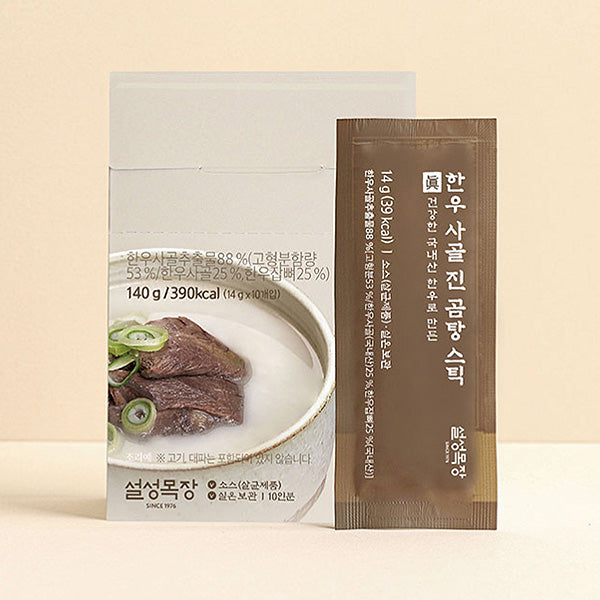
Seolsung Ranch
Beef Bone Gomtang Concentrate Sticks (14g × 10 Sticks)
A concentrated Korean beef-bone broth in tear-open sticks. Stir one into 150 to 200ml of hot water for a quick gomtang-style soup, or use it as a cooking base in stews, sauces, and rice dishes for a deeper savory layer.
Finish: add it at the plate
The easiest route to try, and the first thing guests notice.

Nongbus
Korean Cold Pressed Perilla Oil 180ml
A low-temperature-pressed Korean perilla oil. Add it a little at a time as a finishing drizzle over rice, noodles, and vegetables for an aroma that stands out on the plate.

Beksul
Dip Truffle Salt 50g
A truffle-flavoured finishing salt for steak, fries, eggs, mushrooms, vegetables, and grilled foods. Use it sparingly, and set a small dish beside the plate to add a premium touch.
Run the test like a pro
A short, structured run tells you more than an open-ended trial.
Taste it in prep
Cook the current version and the test version side by side, with the same people tasting both.
Brief the team
Give staff one plain sentence about what the ingredient is before service.
Run it briefly
Offer it as a limited special or an off-menu addition for a set number of days.
Record what you see
Note how often guests choose it, what they say, and how the kitchen feels about it.
At the end you have three simple options: expand it, adjust it, or drop it. If guests ask for it again, or your kitchen keeps reaching for it beyond the special, you have your reorder signal.
A quick way to choose where to start
Start with a Finish
Choose the perilla oil or the truffle salt if you want the smallest change to your recipe.
Start with a Swap
Choose the kelp soy sauce or the red pepper powder if you want to change the base flavor of a dish without adding a step.
Start with a Layer
Choose the anchovy powder or the gomtang sticks if your kitchen runs soups and stews and loves to fine-tune as it goes.
Make the first order easy
- Start small: every ingredient comes in Single Unit, Dozen, and Box options.
- One order, every test: the USD 500 minimum applies to your total cart, so you can bring several test ingredients, or other categories, in a single first order.
- Shipping is covered: international shipping, customs fees, and handling are included in the all-in price.
- Quick turnaround: lead time is 7 to 10 days.
- Room to grow: red pepper powder also comes in a 1kg size for higher-volume kitchens.
Kitchen questions
Can a restaurant test Korean ingredients without changing its menu?
Yes. Change one ingredient in one dish and offer it as a limited special or an off-menu addition, so the printed menu stays exactly the same. If it does not work, the recipe goes back to the original.
Which Korean ingredients are easiest to try first?
Start with a finish or a swap. A finishing oil or salt goes on at the end of the dish, and a soy sauce or chili powder replaces one you already use, so both slot into your current recipe. Ingredients added during cooking, like anchovy powder or gomtang broth sticks, take a quick tasting session to find the right amount.
How much should a restaurant order to test a new ingredient?
Enough for one tasting session and one short limited run. Each product comes in Single Unit, Dozen, and Box options, so you can start small and step up. SeoulDepot has a USD 500 minimum on the total cart, so the easiest plan is to put your test ingredients into one first order. The Buyer Desk can help you plan it.
How do I order these ingredients for my restaurant?
Apply for Business Access, choose your ingredients, and build your cart. The USD 500 minimum applies to the total cart, and international shipping, customs fees, and handling are included in the all-in price.
Start With One Dish
Pick your dish, pick your route, and pick one ingredient. If you would like help shaping a first order around your test, the Buyer Desk is ready.